


Yes, Commercial Driver’s Licenses (CDLs) expire and must be renewed. How long your CDL stays valid depends on the state that issued it.
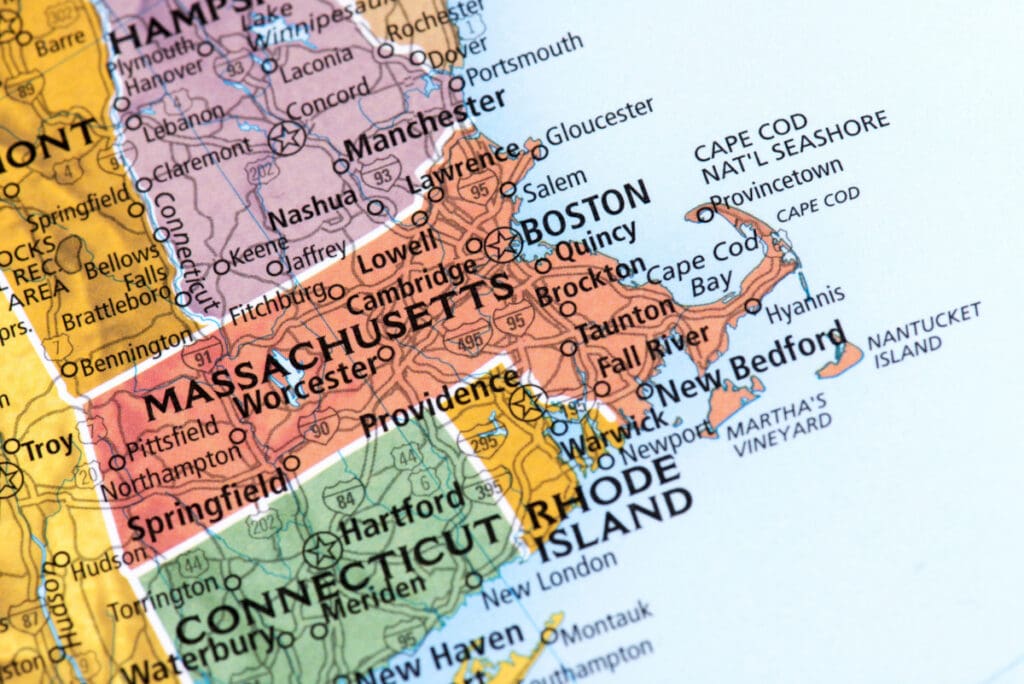
For example, CDL renewal periods are different across the states served by NETTTS. Connecticut currently uses a four-year CDL renewal period, while Rhode Island generally uses a five-year renewal period. Massachusetts licenses are generally issued on a five-year cycle. Drivers should always check the expiration date printed on their license and their state motor vehicle agency’s current requirements before renewing.
Keeping your CDL current involves more than watching the date on the license, though. Depending on how and where you drive, you may also need to keep your DOT medical certification and certain endorsements current.
How Long Is a CDL Valid?
There is no single expiration period for every CDL in the United States. CDLs are issued by individual states, so each state sets its own renewal schedule within federal requirements.
For drivers in the states where NETTTS provides CDL training:
- Connecticut: CDL renewals are currently issued for four years.
- Massachusetts: Driver’s licenses are generally issued on a five-year cycle. Drivers should check the expiration date printed on their CDL for their specific renewal date.
- Rhode Island: CDL renewals are generally issued for five years. Rhode Island currently uses a shorter renewal period for drivers age 70 and older.
These rules can change, and some drivers may receive a license with a different expiration period based on age, lawful presence or other circumstances.
The easiest way to know when you need to renew is to check the expiration date directly on your CDL.
If you are still learning about commercial licensing, NETTTS also provides an overview of CDL requirements in Connecticut, Massachusetts and Rhode Island.
Your CDL and DOT Medical Certification Have Different Expiration Dates
One of the most important things for commercial drivers to understand is that the expiration date on a CDL is not necessarily the only date they need to watch.
Many commercial drivers are also required to maintain a valid DOT medical certification.
How Long Is a DOT Medical Certificate Valid?
A DOT physical can qualify a driver for a medical certificate that is valid for up to 24 months. However, a medical examiner can issue a certificate for a shorter period when a driver’s health needs to be checked more often.
For example, certain medical conditions may lead to a one-year certification or another shorter certification period.

That means you could have several years left before your CDL expires but still need to complete another DOT physical much sooner.
Not every CDL holder has the same medical requirements. Commercial drivers must self-certify the type of driving they perform, and some “excepted” types of commercial driving are not subject to the same medical certification rules.
What Happens if Your Medical Certification Expires?
If you are required to maintain medical certification and let it expire, you can lose your commercial driving privileges even if the date printed on your CDL has not passed.
FMCSA states that a driver whose required medical certification expires is no longer medically certified to operate a commercial motor vehicle. States can then downgrade the driver’s commercial privileges.
Connecticut, Massachusetts and Rhode Island now use electronic medical certification information for many CDL drivers. Instead of the driver simply taking a paper medical card to the DMV or RMV, the medical examiner submits certification information through the FMCSA National Registry system.
Because the rules depend on your state and type of driving, check your CDL status after completing a new DOT physical to make sure the updated information has been received.
Do CDL Endorsements Expire?
Your CDL may also include endorsements that allow you to operate certain vehicles or carry certain types of cargo.

Examples include endorsements for:
- Tank vehicles
- Double or triple trailers
- Passenger vehicles
- School buses
- Hazardous materials
Most endorsements are tied to your CDL and are renewed as part of the licensing process. However, some have additional requirements.
The HazMat endorsement is one important example. Drivers who transport certain hazardous materials must meet Transportation Security Administration security requirements in addition to state CDL requirements. Federal rules require states to have HazMat security threat assessments renewed at least once every five years.
Drivers interested in specialized types of trucking can learn more about CDL endorsements and the additional steps required to earn a HazMat endorsement.
Can You Drive a Commercial Vehicle With an Expired CDL?
No. Once your CDL has expired, you can not lawfully operate a commercial motor vehicle that requires one.
Commercial drivers are responsible for maintaining a valid license for the vehicle they operate. Driving after your CDL expires can lead to violations and may also create problems with your employer.
The exact penalties depend on the state, the circumstances and how long the license has been expired.
It is much easier to renew before the expiration date than to deal with an expired commercial license afterward.
What Happens if Your CDL Has Already Expired?
An expired CDL does not always mean you have to start the licensing process over from the beginning. What you must do depends largely on your state and how long the license has been expired.
A recently expired CDL may be eligible for normal renewal with additional fees. If it has been expired for a longer period, the state may require additional testing or require you to apply for a new license.
The same idea applies when commercial privileges have been downgraded because of an expired medical certification.
For example, Massachusetts allows certain drivers whose CDL privileges were downgraded for medical reasons to restore them after updated medical information is received. However, if the CDL is not restored within the state’s allowed period, the driver may have to complete the required knowledge and skills tests again.
If your CDL has already expired or been downgraded, check directly with your state’s motor vehicle agency before driving.
How Do You Renew a CDL?
The exact CDL renewal process varies by state, but there are several things drivers should check before their expiration date.
1. Check Your CDL Expiration Date
Don’t wait for a renewal reminder. Check the date printed on your CDL and give yourself time to complete any required steps.
Renewal windows also vary by state. For example, Rhode Island currently allows CDL renewals beginning 45 days before expiration.
2. Make Sure Your Medical Certification Is Current
If your type of commercial driving requires DOT medical certification, make sure it will still be valid when you renew.
If you need another DOT physical, use a medical examiner listed on the FMCSA National Registry of Certified Medical Examiners.
3. Check Your Self-Certification Status
CDL holders are required to tell their state what type of commercial driving they perform.
This generally falls into one of four categories based on whether you drive:
- Interstate or intrastate
- Excepted or non-excepted
Your category determines whether you are required to maintain DOT medical certification.
4. Review Your Endorsements
Check the endorsements listed on your CDL and whether they have additional renewal requirements.
This is especially important if you hold a HazMat endorsement because its security requirements are separate from a standard CDL renewal.
5. Check Your State’s Renewal Requirements
Depending on where you live, you may need items such as:
- Your current CDL
- Identification documents
- Proof of residency or lawful status
- Completed renewal forms
- Current self-certification information
- Required renewal fees
Some states allow parts of the process to be completed online, while others require an appointment or in-person visit.
CDL Renewal in Connecticut
Connecticut currently issues CDL renewals for four years. The Connecticut DMV directs CDL holders to make an appointment for renewal and requires current self-certification information.
For many CDL holders, medical certification information is now submitted electronically by the medical examiner rather than through a paper certificate provided directly to the DMV.
Drivers should check the Connecticut DMV for current requirements before their renewal appointment.
CDL Renewal in Massachusetts
Massachusetts CDL holders renew through the Registry of Motor Vehicles.
Drivers are required to self-certify when renewing their CDL. If medical certification is required, the RMV generally verifies the information electronically through the FMCSA National Registry.
Most existing endorsements can be renewed along with the CDL, but Massachusetts has separate requirements for the HazMat endorsement.
CDL Renewal in Rhode Island
Rhode Island generally issues CDL renewals for five years and currently allows drivers to renew beginning 45 days before expiration.
The Rhode Island DMV also receives medical certification information electronically through the FMCSA National Registry. If a driver who is required to maintain medical certification does not do so, the state can downgrade the driver’s CDL privileges.
What if You Move to Another State?
A CDL is issued by your state of residence. You cannot simply keep your old state’s CDL indefinitely after establishing residency somewhere else.
If you move, you will generally need to transfer your CDL to your new state. The process may also affect endorsements, identification requirements and medical certification.
See our guide to transferring a CDL license between states for a closer look at how the process works.

Keep Track of More Than One Expiration Date
For professional drivers, maintaining a CDL means keeping track of several requirements.
A simple checklist can help:
Keeping these dates organized can help prevent an avoidable interruption in your ability to drive commercially.
Thinking About Earning Your CDL?
If you’re researching commercial driving for the first time, start by understanding the type of CDL you’ll need. A Class A CDL and a Class B CDL allow drivers to operate different types of commercial vehicles.
You can also review the difference between a Class A and Class B CDL before deciding which training path best fits the type of driving you want to pursue.
NETTTS provides CDL training in Connecticut, Massachusetts and Rhode Island, with locations in Somers and Bridgeport, Connecticut; Haverhill, Massachusetts; and Pawtucket, Rhode Island.