

If you’re thinking about training for a career in heating, ventilation, air conditioning, and refrigeration (HVACR), one of the biggest questions you probably have is: What will I actually learn?
HVACR training programs are generally designed to teach practical, hands-on skills that heating and cooling technicians experience out in the field. This is a hands-on kind of education. You learn how systems work, how to install, maintain, or fix them, and how to do these types of jobs safely and correctly to prepare for real-world situations. This is generally done through a combination of classroom and hands-on lab training.
Below are the top skills you may learn in an HVACR training program and how they can help prepare you for a career in the field.
Understanding Heating and Cooling Systems
One of the first and most important skills is how HVAC systems work as a whole. This includes both heating and cooling equipment used in homes and businesses.
Topics covered can include:
- Furnaces and boilers
- Air conditioners and heat pumps
- Ductwork and airflow
- Thermostats and control systems
Instead of just memorizing parts, you’ll understand how each component works together. This knowledge helps a technician to diagnose problems correctly and fix systems the right way the first time. It’s a skill for HVAC technicians to understand the “why,” not just the “how.”

Electrical Skills for HVAC Technicians
Electricity is a big part of HVAC work, and HVACR training programs can help students build these skills safely.
Electrical topics can include:
- Read wiring diagrams
- Use multimeters and testing tools
- Troubleshoot electrical problems
- Work with motors, relays, and control boards
Safety should be a major focus here. Students are trained on how to work with electricity without putting themselves or others at risk. These electrical skills are critical because many HVAC system failures may be caused by electrical issues.
Refrigeration Principles and EPA Certification Prep
Refrigeration is at the core of air conditioning and many heating systems. HVACR training programs teach you the science behind how refrigerants absorb and release heat.

Refrigeration topics include:
- The refrigeration cycle
- How to handle refrigerants properly
- How to use gauges and recovery machines
- Leak detection and repair
Most programs also prepare you for the EPA Section 608 certification exam, which is required to work with refrigerants legally. This certification is often required by employers who’s technicians may be handling refrigerants.
Troubleshooting and Problem Solving
One of the most time-saving skills for a technician is troubleshooting. HVAC systems don’t always fail in obvious ways, and customers rely on technicians to figure out what’s wrong.
Troubleshooting topics may include:
- Identify symptoms of system problems
- Narrow down possible causes
- Test components step by step
- Make accurate repairs
Skills like this can separate an entry-level worker from a more seasoned technician. Effective technicians can think critically, stay calm under pressure, and solve problems efficiently.
Installation and Maintenance Skills
HVACR training doesn’t just focus on repairs. Training should also include how to install and maintain systems properly.
Maintenance and HVAC Installation topics include:
- Installing furnaces, air conditioners, and heat pumps
- Setting up ductwork and ventilation
- Performing routine maintenance
- Checking system efficiency and performance
Proper installation and maintenance help systems last longer and run more efficiently. These skills are especially important for technicians since equipment maintenance is generally a regular part of keeping a unit running efficiently.

Tools and Equipment Handling
HVAC technicians use a wide range of tools, and training programs should make sure you know how to use them correctly.
Tools and Equiptment training:
- Hand tools and power tools
- Refrigerant gauges
- Vacuum pumps and recovery machines
- Diagnostic testing equipment
Learning how to use tools properly can help improve speed, accuracy, and safety on the job. It also can help to look professional and confident when working in customers’ homes or businesses.
Safety and Industry Best Practices
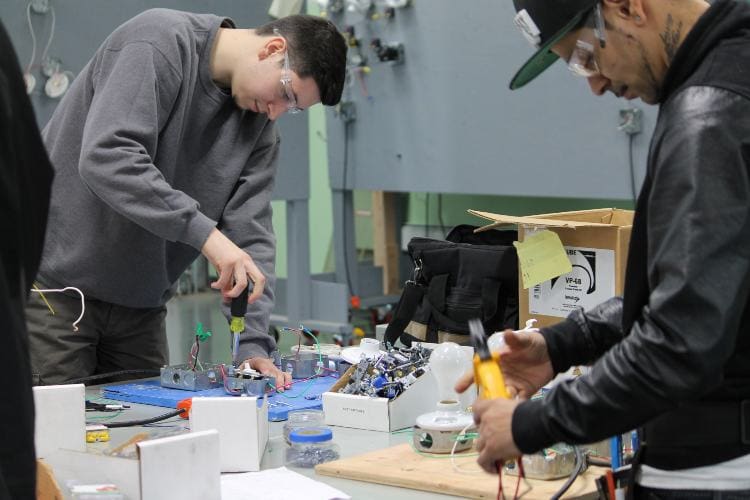
Safety is a major focus in HVACR training programs. HVAC work often involves electricity, high temperatures, refrigerants, and working in tight spaces.
HVAC Safety and Best Practices:
- OSHA safety guidelines
- Proper use of personal protective equipment (PPE)
- Ladder and confined-space safety
- Safe handling of chemicals and refrigerants
Good safety habits protect you, your coworkers, and your customers. Employers may want to see technicians who follow safety rules and reduce the risk of accidents on the job.
Customer Service and Communication Skills
HVAC technicians work directly with customers, so communication matters. Many training programs include instruction on professional behavior and customer interaction.
Customer Service Skills:
- Explain problems in simple terms
- Discuss repair and maintenance options
- Answer customer questions confidently
- Act professionally in homes and businesses
Strong communication skills can lead to better job performance, repeat customers, and a better overall experience.
Preparing for a Career in HVACR
HVACR training programs are designed to help prepare students for the heating and cooling industry. By the time a student finishes, they should have gained hands-on experience, technical knowledge, and built the confidence to step into an entry-level HVAC position.
The skills learned can help lead to careers in:
- Residential HVAC service
- Commercial HVAC maintenance
- Refrigeration and cooling systems
- Building maintenance and facilities work
Building these technical skills to become an HVAC technician could open the door to a hands-on future. If these skills seem interesting, training in HVACR could be a good path for you.