

If you’re thinking about what it takes to become a truck driver, one of the first questions you probably have is simple: how long does it take to get a CDL? The answer depends on a few different factors, but in most cases, you can earn your Commercial Driver’s License (CDL) in a matter of months, not years.
Let’s break down what goes into the process, how long each step typically takes, and what can affect your timeline.
What Is a CDL and Why Does It Matter?
A CDL is required to operate commercial vehicles like tractor trailers, dump trucks, and buses. There are different types of CDLs, but the two most common are:
- Class A CDL – Allows you to drive combination vehicles like tractor trailers
- Class B CDL – Covers straight trucks like box trucks, buses, and some delivery vehicles
The type of CDL you choose can impact your training time, since each license requires different skills and testing.
Step 1: Meet Basic Requirements
Before you can start training, you’ll need to consider if you meet a few basic requirements:
- Be at least 18 years old (21 for interstate driving)
- Have a valid driver’s license
- Are able to pass a Department of Transportation (DOT) physical exam
- Provide required identification and documentation
Step 2: Begin With Your CDL Permit (CLP)
The next step is preparing for your Commercial Learner’s Permit (CLP). To earn your CLP, you’ll need to pass a written knowledge test that covers topics like:
- Road safety rules
- Vehicle inspection basics
- Air brake systems (if applicable)
- General CDL knowledge
Some CDL training schools, like New England Tractor Trailer Training School, may include permit preparation as a part of their training. Students may also choose to spend a few days to a couple of weeks preparing for this test, depending on how much time they can dedicate to studying.
Once you pass the permit test, you’ll receive your CLP. Federal regulations require you to hold this permit for at least 14 days before taking your CDL skills test.
Step 3: Complete CDL Training
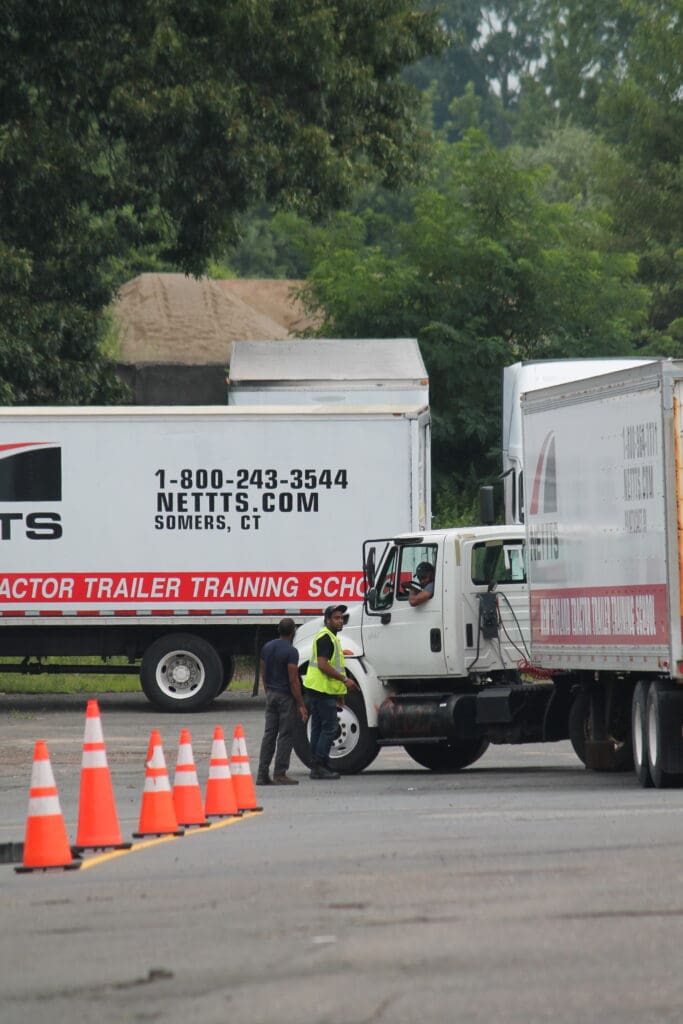
This is where the rubber meets the road. CDL training programs combine classroom instruction with hands-on driving practice to help you build the skills needed to pass your test and drive safely on the job.

What You Should Expect
Training typically includes:
- Pre-trip and post-trip vehicle inspections
- Basic control skills like backing and turning
- Road driving in city, highway, and rural conditions
- Safety procedures and compliance regulations
- Trip planning and hazard awareness
How Long Training Takes
Most full-time CDL training programs can be completed in about:
- 8 to 22 weeks for a Class A CDL
- 4 to 6 weeks for a Class B CDL
Some schools may offer part-time programs, which may take longer, often stretching out over several weeks or months depending on your schedule.
Step 4: Pass the CDL Skills Test
After completing your training and holding your permit for at least 14 days, you’ll take the CDL skills test. This test has three main parts:
- Pre-trip inspection – Demonstrate your ability to inspect the vehicle
- Basic control skills – Show you can handle the vehicle in tight spaces
- Road test – Drive on public roads while following all safety rules
The timing for this step can depend largely on state testing availability. In some cases, you may have the opportunity to test right after finishing your training. In others, you may need to wait a few days or weeks depending on test availability of your local RMV or DMV. Students will receive their CDL after passing all portions of the written and road tests.
Total Timeline: What to Expect
When first starting in the trucking industry, the full process might look something like this:
- 1 week or less – Review requirements needed to pass a DOT physical
- 1 to 2 weeks – Study for and pass your CLP test
- 8 to 22 weeks – Learn and complete training program
- 1 to 3 weeks – Schedule and pass skills test
Total estimated time: about 12 to 28 weeks
What Can Affect How Long It Takes?
This is an estimated timeframe, and a few factors can speed things up or slow things down.
1. Full-Time vs. Part-Time Training
If you attend training full-time, you’ll likely move through the program faster. Some people may find part-time programs to be more flexible but may take longer overall.
2. Type of CDL
Class A programs usually take longer than Class B programs because they involve more complex vehicles and skills.
3. Test Scheduling
In some areas or times of the year, CDL testing appointments fill up quickly. This can add extra time after you finish training.
4. Your Study Pace
Some students pass the permit test on their first try, while others may need more time to prepare. Staying consistent with studying can help you move forward faster.
5. School Structure and Support
Training programs that offer structured schedules, experienced instructors, and hands-on practice can help you stay on track and avoid delays.
Do You Need a Training Program?
The Federal Motor Carrier Safety Administration requires new drivers to complete Entry-Level Driver Training (ELDT) before taking the CDL skills test.
This means you must receive training from an approved provider that meets federal standards. A CDL training school helps ensure you meet these requirements while also preparing you for real-world driving.
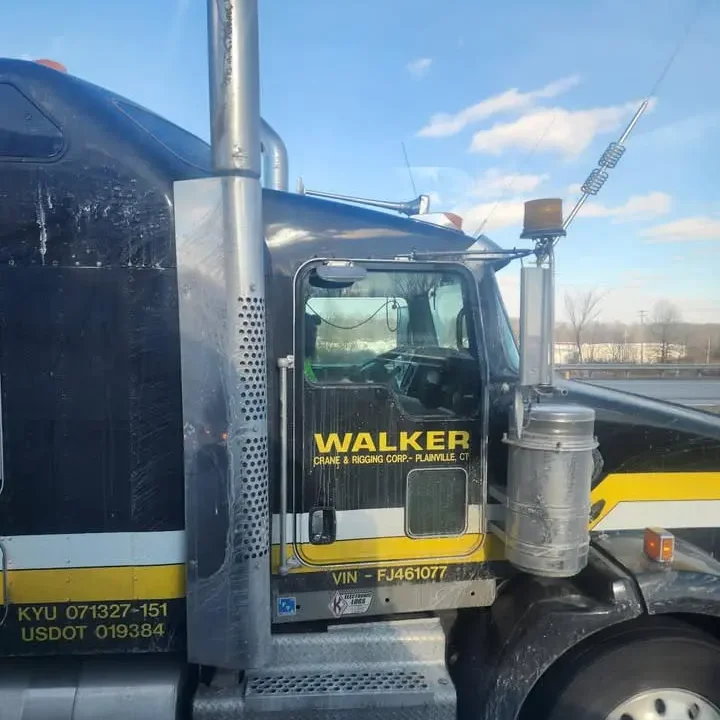
What Happens After You Get Your CDL?
Once you have your CDL, you can start applying for jobs in the trucking or transportation industry. Completing a formal training program may help show you have learned the basics of safe operation and compliance.
Some training programs also offer career services support, which can help you connect with potential employers after graduation.
Is It Worth the Time?
If you’re looking for a hands-on career, enjoy driving, and want a straightforward path into the workforce, CDL training can be a practical option.
Putting it All Together
So, how long does it take to get a CDL license? For most people, the answer is about three to seven months, depending on the program and your schedule.
By completing your permit, training, and testing, you can move from getting started to being job-ready.
If you’re ready to take the next step, the best way to get started is by learning more about a training program, finding a schedule that works for you, and beginning your path toward earning your CDL with truck driver training.