


If you’re thinking about getting into heating, ventilation, and air conditioning, you’ve probably heard the word “certification” a lot. But what does that really mean when it comes to HVAC? Do you need a license? What is EPA 608? And how do you get it?
This HVAC certification guide will break it down in simple terms, so you know what to expect and how to get started.
Why HVAC Certifications Matter
HVAC technicians work on systems that control temperature, air quality, ventilation, and refrigeration. That includes air conditioners, furnaces, heat pumps, and commercial cooling units. Many of these systems use refrigerants. Refrigerants must be handled safely because they can harm the environment if released into the air.
That’s where certification comes in.
Certifications show that the technician:
- Understands safety rules
- Knows how to handle refrigerants properly
- Has the technical knowledge to work on HVAC systems
- Meets federal and state requirements
Without the right certifications, an HVAC service technician may not be allowed to legally work on certain equipment.
What Is EPA 608 Certification?
A main certification for HVAC technicians is the EPA 608 Certification.
This certification is required by the United States Environmental Protection Agency (EPA). If you plan to work with refrigerants, you must have it. There are no exceptions.
The EPA 608 certification comes from Section 608 of the Clean Air Act. It focuses on proper handling of refrigerants to protect the environment.
There Are Four Types of EPA 608 Certification:
Type I
For servicing small appliances (like window air conditioners or refrigerators).
Type II
For working on high-pressure systems, such as most residential and commercial air conditioning systems.
Type III
For low-pressure systems, usually found in large commercial or industrial settings.
Universal Certification
This covers Types I, II, and III. Most HVAC technicians choose Universal because it allows them to work on all types of refrigeration equipment.
What’s on the EPA 608 Test?
This comprehensive test covers topics such as:
- Ozone depletion
- Refrigerant recovery
- Safe handling procedures
- Leak detection
- Proper disposal rules
- Environmental regulations
There is a core section plus a section for each type. Once a person passes all sections, they will have earned a Universal certification.
The good news? Once you pass, it does not expire.
What About EPA 609?
You may also hear about EPA 609 certification. This is different from EPA 608.
EPA 609 is for technicians who work on motor vehicle air conditioning systems (MVAC), like car AC systems. HVAC Technicians who plan to focus only on residential or commercial HVAC generally do not seek EPA 609.
State HVAC Licensing
In addition to federal certification, many states require HVAC technicians or contractors to hold a state license.
Licensing rules vary by state. Some states require:
- A certain number of classroom training hours
- On-the-job experience
- Passing a state exam
- Liability insurance (for contractors)
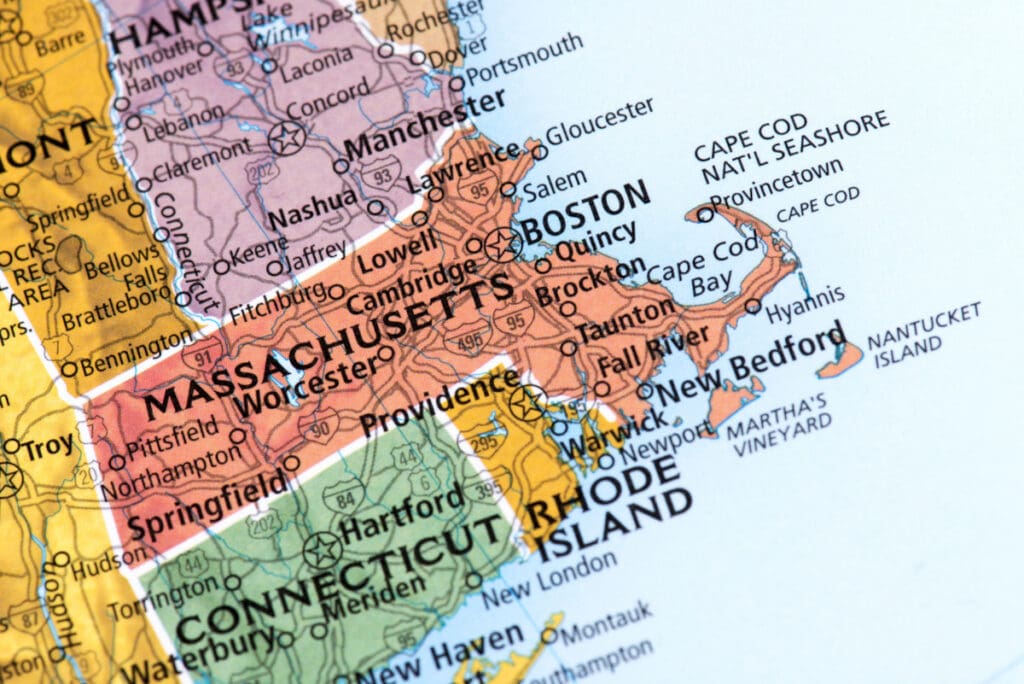
In New England, where many HVAC techs work in states like Connecticut, Massachusetts, and Rhode Island, licensing rules can differ from one state to another. That’s why it’s important to understand the requirements of where you live and plan to work.
In many cases, entry-level HVAC technicians start working under a licensed contractor. After gaining experience, they can apply for their own license.
NATE Certification
Another well-known credential in the HVAC industry is NATE certification. NATE stands for North American Technician Excellence.
Unlike EPA 608, NATE certification is not required by law. However, it is highly respected in the industry.
NATE certifications show that a technician:
- Has advanced knowledge
- Meets industry standards
- Has passed a specialty exam
Technicians can earn certifications in specialties like:
- Air conditioning
- Heat pumps
- Gas furnaces
- Commercial refrigeration
Some employers look for, or even require, NATE certification because it can demonstrate a higher level of skill.
OSHA Safety Training
HVAC technicians often work:
- On rooftops
- In tight spaces
- Around electrical systems
- With heavy equipment
Because of this, OSHA safety training is also important. OSHA stands for the Occupational Safety and Health Administration.
While OSHA certification may not be federally required, some employers take note of technicians who have completed OSHA 10-hour or 30-hour safety training. It shows that the technician understands workplace safety rules.
Refrigeration Certifications
If you plan to work in commercial refrigeration, you may need additional certifications depending on the equipment and refrigerants used.
Some systems use specialized refrigerants that require extra knowledge. As the industry moves toward more environmentally friendly refrigerants, continuing education may become even more important.

Do You Need Certification Before HVAC School?
This is a common question.
Prior technical experience or training is not required to attend HVACR Training at NETTTS. During the training, you’ll have the opportunity to:
- Learn how HVAC systems work
- Practice hands-on skills
- Study for the EPA 608 exam
- Prepare for entry-level job skills
Our HVACR program includes preparation and testing for the EPA 608 as part of the curriculum. This exam takes place on campus as part of the course.
The Difference Between Technician and Contractor
It’s important to understand the difference between being an HVAC technician and an HVAC contractor when it comes to certifications and licenses.
Technician:
- Works for a company
- Performs installations and repairs
- Needs EPA 608 certification
- May not need a contractor license
Contractor:
- Owns or runs a business
- Pulls permits
- Hires employees
- Usually, must hold a state contractor license
Often times people start as technicians and later move into contractor roles after gaining experience.
Why Certification Protects You and Your Customers
Certifications are not just paperwork. They protect:
- The environment
- Your employer
- Your customers
- Yourself
Improper handling of refrigerants may lead to heavy fines. The EPA takes violations seriously. Being properly certified ensures you are following federal law.
What to Look for when considering an HVAC Training Program
If you’re thinking about training for a career in HVAC, consider a program that:
- Prepares and/or tests you for EPA 608 certification
- Offers hands-on training
- Covers electrical systems, refrigeration, and heating
- Teaches safety procedures
- Helps you to understand state licensing requirements
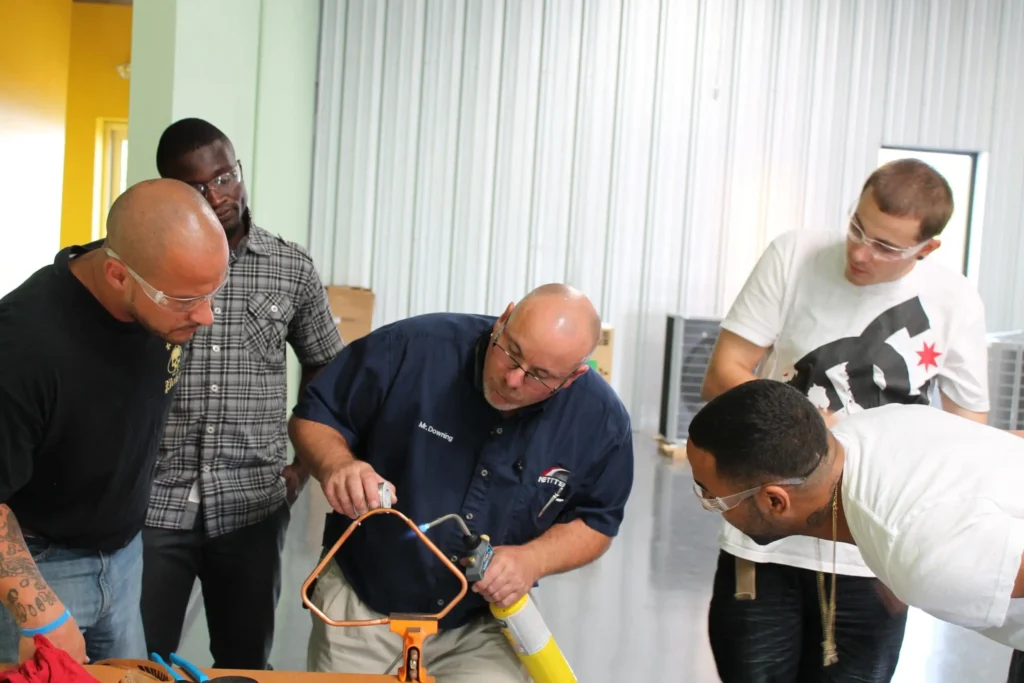
Hands-on training is especially important. HVAC is a skilled trade which means students learn by actually working on equipment.
Start with a Solid Foundation
Getting certified in HVAC may sound complicated at first, but makes more sense once you understand the basics.
If you’re considering a future as an HVAC technician, consider:
- EPA 608 certification (required)
- State licensing (depending on where you work)
- Optional certifications like NATE (to boost your resume)
- Safety training like OSHA
If you’re willing to learn, put in the time, and earn the right certifications, HVAC has the potential to offer a rewarding future.