

In the past few weeks, the trucking world has seen a lot of headlines about the federal government stepping up their enforcement of the rules on CDL training programs. A new review by the U.S. Department of Transportation found that nearly 44% of CDL schools listed in the national registry may not be meeting required training standards. Because of that, nearly 3,000 schools are facing decertification, and thousands more have been warned that they could be next.
For people thinking about getting into trucking, this news may raise some questions. Is the training they’re signing up for legitimate? Will their certificate hold up with employers? Is the school following federal rules?
For schools that already train according to FMCSA guidelines and standards, like NETTTS, this crackdown is actually a good thing. Here’s why.
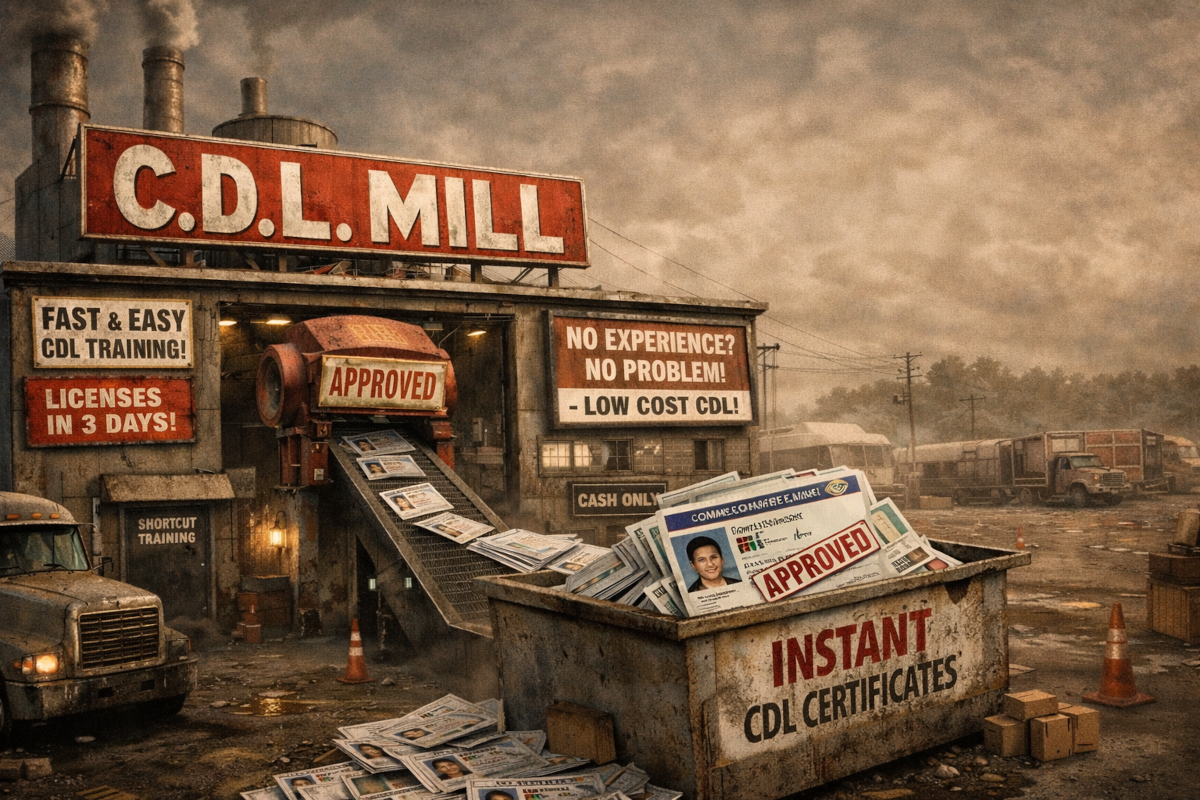
What Is a “CDL Mill”?
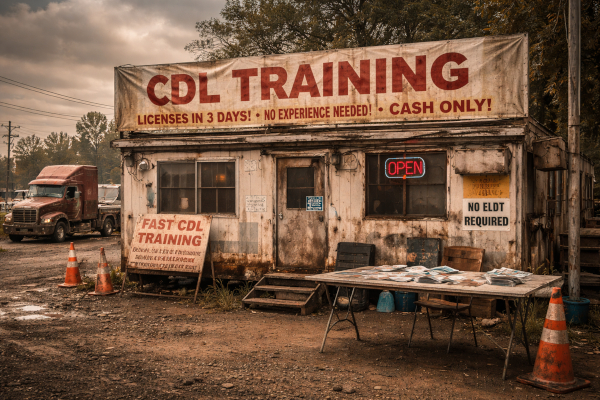
A CDL mill is a trucking school that cuts corners to push students through as fast as possible. Some offer training over only a long weekend or a few short days, claiming someone can be “road-ready” almost instantly. Many of these programs:
- Skip required classroom instruction
- Don’t provide enough behind-the-wheel time
- Fail to track or report training hours correctly
- Falsify records
- Don’t prepare students to actually pass their tests or get hired
The recent federal review found that many of the schools facing decertification weren’t meeting even the minimum requirements set by the FMCSA (Federal Motor Carrier Safety Administration). Some weren’t maintaining accurate records. Some weren’t teaching the full curriculum. Others weren’t active at all.
These types of shortcuts not only hurt students, but they also put everyone on the road at risk.
Why the Federal Government Is Cracking Down
The FMCSA’s latest action is part of a bigger effort to make sure anyone earning a CDL has the skills and knowledge they need to drive safely. Federal officials have pointed to recent accidents involving drivers who weren’t properly trained or weren’t qualified to hold CDLs at all.
Secretary of Transportation Sean Duffy described the goal clearly: to stop “illegal and reckless practices that let poorly trained drivers get behind the wheel of semi-trucks and school buses.”
Some key steps the government is taking
- Revoking certification for schools that don’t meet training standards
- Auditing training records for accuracy
- Reviewing immigration and licensing compliance
- Working with states to remove CDLs that should not have been issued
- Warning states they could lose federal funding if they don’t correct problems
Some states, including California, Pennsylvania, and Minnesota, have already been asked to take corrective action.
How This Leads to Safer Roads
Decertifying “CDL mills” doesn’t shrink opportunities for students, it protects them.
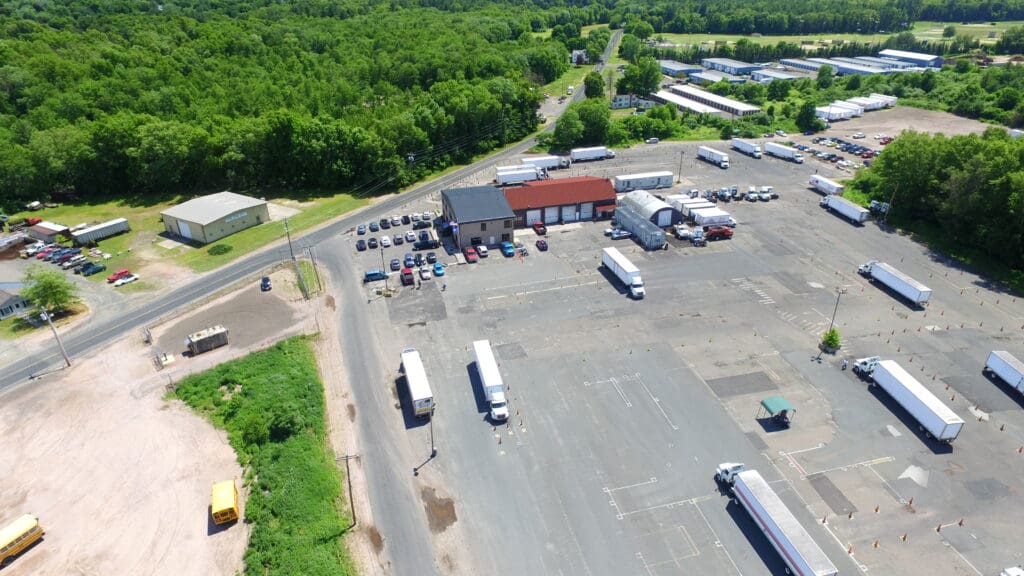
Proper CDL training is not a two-day process. New students should anticipate:
- Weeks of instruction
- Classroom learning
- Yard skills practice
- Real behind-the-wheel training
- Safety procedures
- Hours-of-service rules
- Vehicle inspection and maintenance skills
When schools skip steps, new drivers enter the industry unprepared, and that lack of preparation shows up in accidents, citations, and safety violations.
Removing programs that don’t follow federal rules helps to ensure:
- Employers can trust new CDL holders
- Drivers meet a consistent national standard
- Students don’t waste money on low-quality programs
- Everyone on the road is safer
Stronger standards help to protect trucking companies, students, and the public.
Why Choosing a Reputable CDL School Matters
When 44% of listed programs are flagged for not following the rules, choosing the right training provider becomes even more important.
A reputable CDL school will:
- Follow all FMCSA Entry-Level Driver Training (ELDT) requirements
- Give students real behind-the-wheel experience
- Provide proper classroom and skills instruction
- Keep accurate training records
- Prepare students for their CDL exam and for real-world trucking
- Maintain strong relationships with employers
- Put safety first, not shortcuts
Schools that stay in compliance aren’t worried about these audits, in fact, they welcome them.
Programs that operate the right way don’t need to rush students or promise unrealistic timelines. Instead, they focus on giving future drivers the skills they need to have successful careers as a professional truck driver.
How to Spot a School That Might Be a “CDL Mill”
If you’re looking into training, here are some red flags:
- Promises of finishing training “in just a few days”
- Very low prices compared to other schools
- No mention of ELDT requirements
- Little or no behind-the-wheel training
- No clear curriculum
- No job placement support
- Vague answers when you ask about safety or compliance
If something feels too good to be true, it usually is.
How NETTTS Sets a Higher Standard
For more than 60 years, not only has NETTTS has followed federal and state training standards, they’ve helped develop them. As a founding member of the Commercial Vehicle Training Association (CVTA), NETTTS advocates alongside 100 other member trucking schools from across the U.S. to help develop the CDL training standards that prepare trucking school students for long-term success, not quick shortcuts. Each of NETTTS’s campuses also maintain institutional accreditation from the Accrediting Commission of Career Schools and Colleges (ACCSC), which is recognized by the US Secretary of Education as a reliable authority on educational quality. As an accredited institution, each year NETTTS reports graduation rates, licensure pass rates, and graduate employment rates for each of its program offerings to ACCSC.
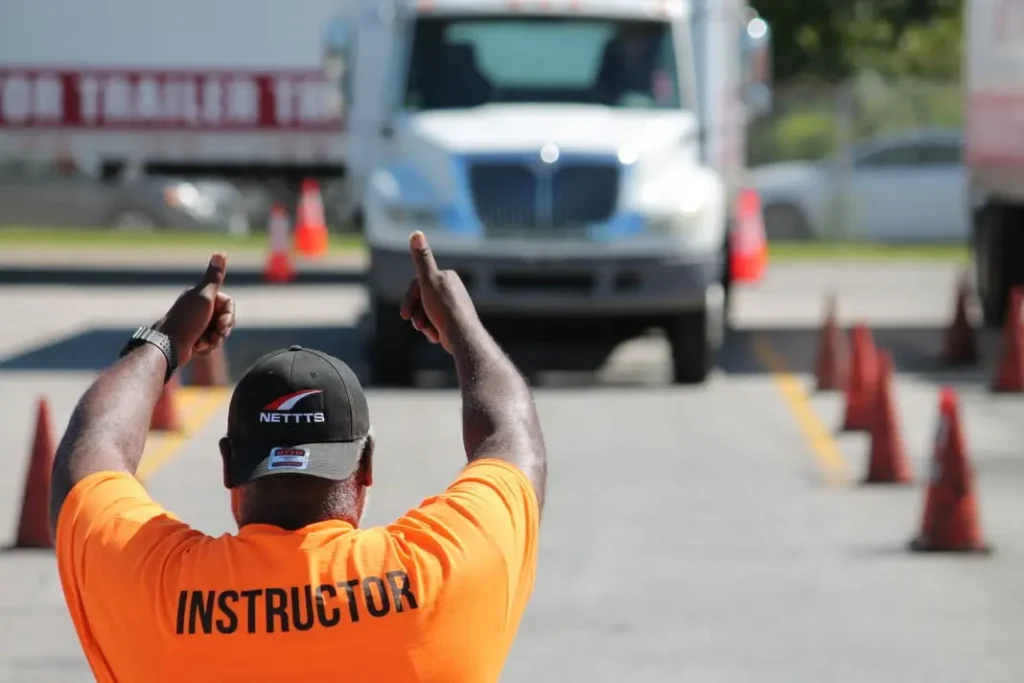
As a fully compliant, hands-on training program, NETTTS:
- Meets all FMCSA ELDT requirements
- Provides a hands-on truck driving experience
- Offers classroom, yard, and road training
- Keeps complete training records
- Focuses on safety and student success
- Consults with trucking carriers and DOT employers across the region
- Offers support for financial aid (for those who qualify)
When federal audits remove bad actors from the industry, it only highlights the value of schools that already put students first.
Stronger Standards Help Everyone
The federal crackdown isn’t about limiting opportunities. It’s about protecting new drivers and making sure they enter the industry with the right training, skills, and confidence.
Students deserve a school that takes their future seriously. Employers deserve drivers they can trust. And all of us deserve safer roads.
Choosing a reputable, compliant CDL training provider can be your first step toward a trucking career and the recent headlines prove just how important that choice really is.