


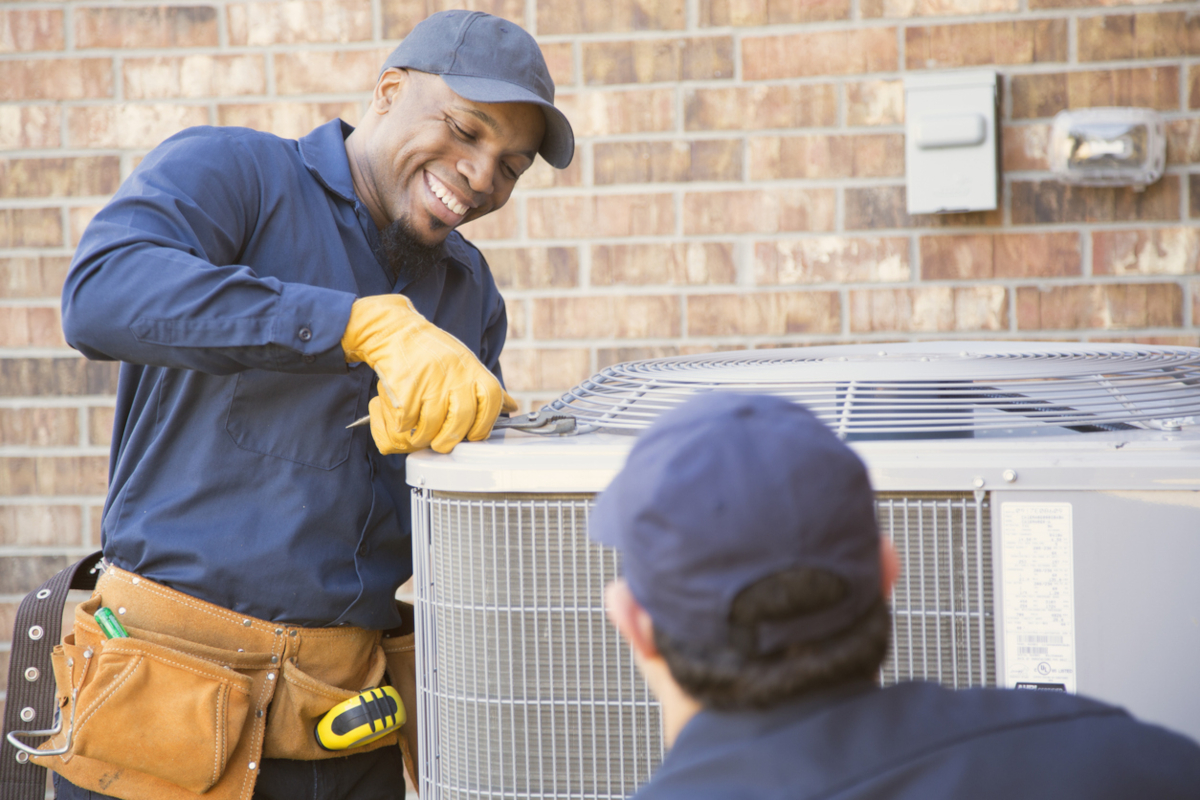
If you like hands-on work, solving problems, and doing something different every day, HVAC could be a great path for you. Heating, ventilation, air conditioning, and refrigeration systems keep homes and businesses comfortable year-round, and trained technicians are needed in many types of homes and businesses year round. With the right training, you can open the door to an exciting, hands-on future in the technical trades
Here’s a look at the career paths HVAC training can lead to and how the skills you learn might take you even further.
HVAC Technician: The Most Common Starting Point
Most people in the field begin as HVAC technicians. In this role, you’ll install, repair, and maintain heating, cooling, refrigeration, and or ventilation equipment. This can include:
- Furnaces
- Heat pumps
- Air conditioners
- Refrigeration systems
- Ductwork
- Thermostats and controls
You may work in homes, small businesses, schools, or large commercial buildings. Every day could be different, and you’ll spend a lot of time troubleshooting and fixing real problems for customers.
Residential vs. Commercial HVAC Work
During training, you learn skills that can apply to several types of workplaces.
Residential HVAC
This is the work most people think of first. You’ll handle equipment in homes, apartments, and small buildings. The jobs here are usually smaller and more personal and you’re helping families stay comfortable.
Commercial HVAC
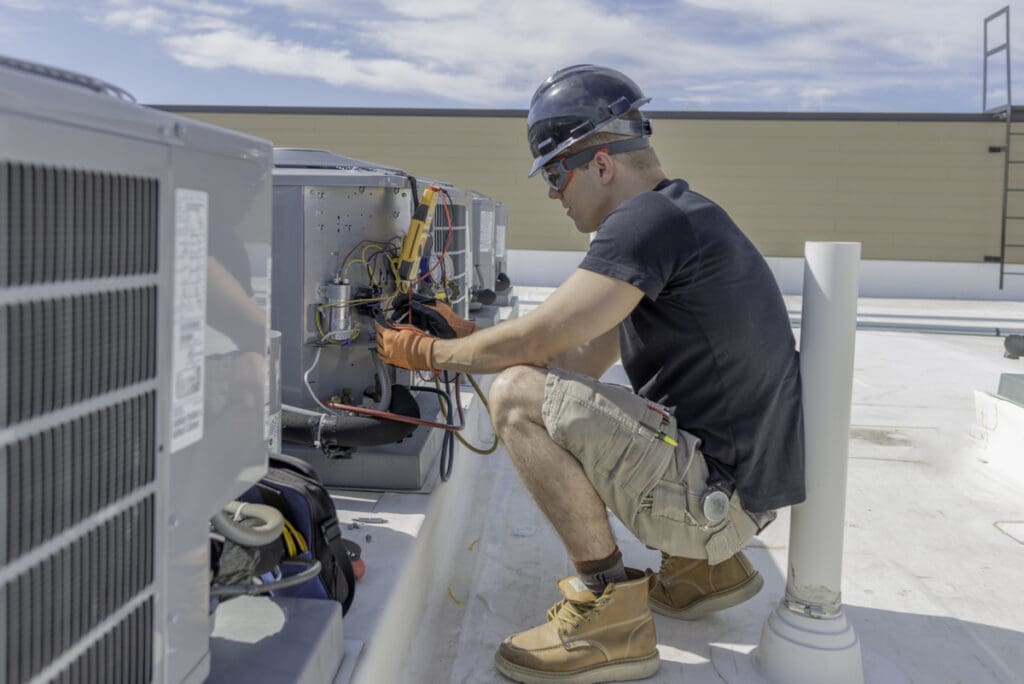
Commercial work involves bigger and more complex systems. Think office buildings, hospitals, warehouses, grocery stores, and retail spaces. These systems often use advanced controls and large rooftop units, so the jobs can be more technical.
Refrigeration Careers
HVAC programs usually also cover refrigeration basics, which creates even more career opportunities. With refrigeration skills, you could work on:
- Restaurant coolers and freezers
- Grocery store refrigeration systems
- Beverage and ice machines
- Cold storage warehouses
- Industrial refrigeration equipment
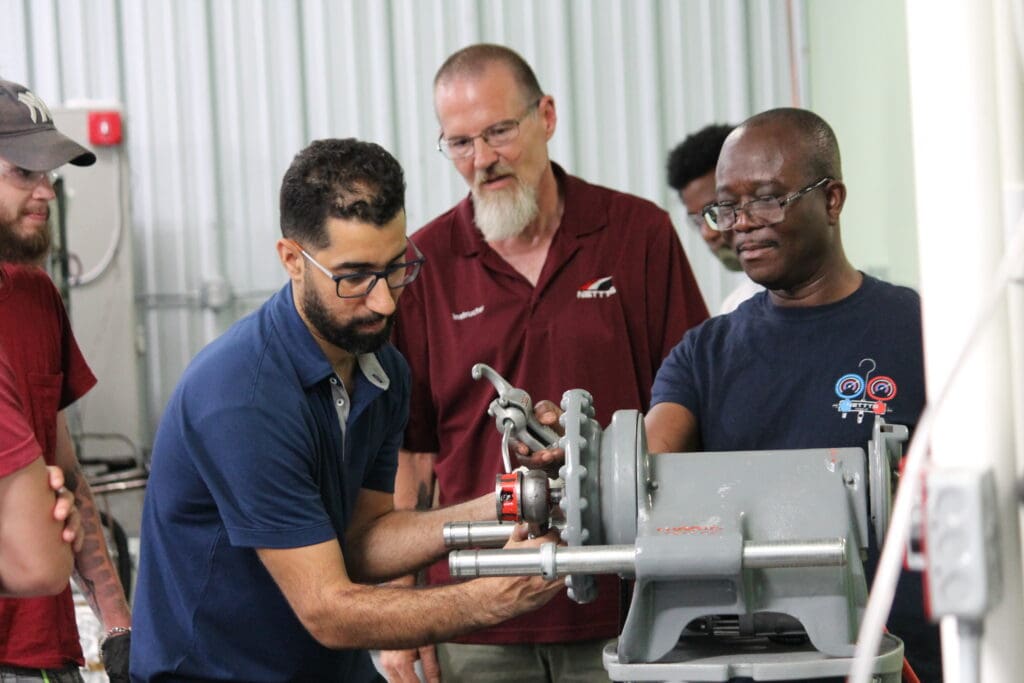
Refrigeration techs work with many different types of businesses that depend on temperature-controlled environments to operate. Not all HVAC Schools train HVACR, but some schools, like NETTTS, include refrigeration, in addition to heating, cooling, and ventilation.
Specialized Paths You Can Grow Into
Once you get some experience under your belt, you can move into more specialized or advanced roles. A few examples include:
HVAC Installer
Some techs decide to focus on installation only. This includes putting in new equipment, replacing older systems, and handling major upgrades.
Controls Technician
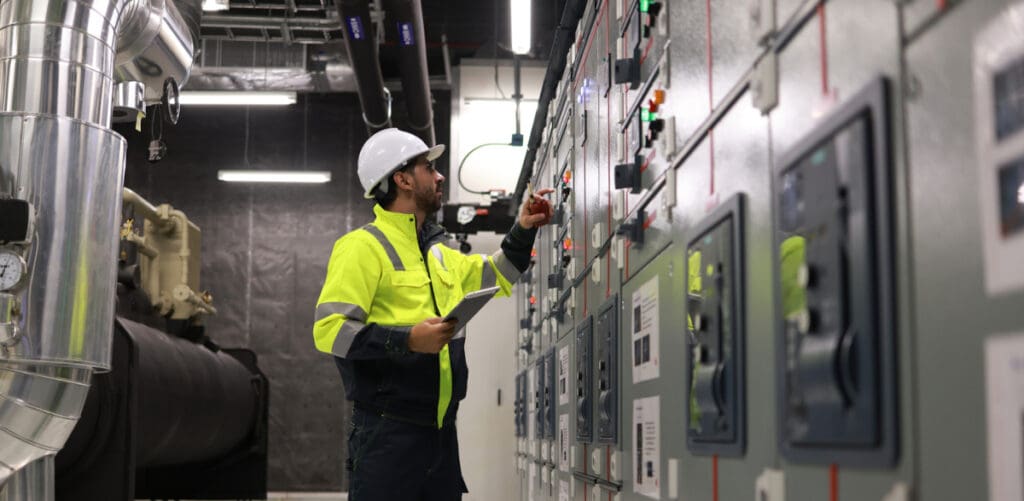
Modern buildings use digital control systems to manage temperature, humidity, air quality, and energy use. Controls techs work with sensors, electronics, and computer-based systems.
Energy Efficiency Specialist
Homes and businesses want to reduce energy costs. With HVAC training and additional certifications, you can help evaluate energy use and recommend improvements.
System Designer
If you like math and planning, system design could be a fit. Designers plan out heating and cooling layouts for new construction or major remodels.
Facilities or Maintenance Technician
Large organizations like schools, hospitals, warehouses, and corporate campuses, hire in-house techs to keep their equipment running. This can offer predictable hours and steady long-term work.
The Skills You Learn Connect to Other Trades
One of the many benefits of HVAC training is that the skills you gain have the potential to transfer to many other careers. HVAC covers electrical work, plumbing basics, mechanical systems, customer service, and problem-solving. Because of that, some techs may later move into other technical trades fields like:
- Electrician
- Plumbing
- Building maintenance
- Automated building controls
- Solar and renewable energy
- Construction and remodeling
If you enjoy hands-on work and technology, HVAC can be a great foundation for a long-term career in the skilled trades.
Opportunities for Advancement
HVAC isn’t just a job; it can grow into a full career. As you gain experience, there could be an opportunity to move into roles like:
- Lead technician
- Field supervisor
- Operations manager
- Project manager
- Estimator
- Business owner
Some HVAC professionals eventually start their own companies or move into leadership positions. Training gives you the technical base, and real-world experience helps build the rest.
Industries That Hire HVAC Technicians
Because heating and cooling are essential almost everywhere, HVAC techs work across many industries, including:
- Construction
- Manufacturing
- Education
- Healthcare
- Retail
- Transportation
- Hospitality
- Government and municipal services
No matter what happens in the economy, people still need heating and cooling. That makes HVAC a reliable career choice.
Where HVAC Training Can Take You
HVAC is a hands-on field with a variety of opportunities. Whether you want to work directly with customers, focus on complex commercial systems, or build toward a leadership role, HVAC training can help you build the skills to get started.