

Starting a career in trucking today means complying with a set of federal rules called Entry-Level Driver Training (ELDT) requirements. These standards were created by the Federal Motor Carrier Safety Administration (FMCSA) to help make sure every new driver on the road has the same basic foundation of safety, knowledge, and skills.
If you’re thinking about training for your CDL, it’s important to understand what ELDT is, what it means for you, and what kind of training program helps you meet every requirement.
What Is ELDT?
ELDT is a set of federal training standards that applies to:
- New drivers getting their Class A CDL
- New drivers getting their Class B CDL
- Anyone upgrading from Class B to Class A
- Anyone adding certain endorsements, such as Hazardous Materials (HazMat), Passenger (P), or School Bus (S)
These rules went into effect on February 7, 2022 and apply across every U.S. state.
You can read the official FMCSA overview here.
Why Did FMCSA Create ELDT?
Before ELDT, CDL training looked different from state to state. Some schools covered more topics, some covered fewer, and training wasn’t always consistent.
FMCSA introduced ELDT to:
- Determine proficiency based on driver skills, not training hours
- Improve safety nationwide
- Make training requirements the same across all states
- Ensure new drivers get adequate hands-on experience before testing
- Provide employers with more confidence that new drivers are properly prepared
How ELDT Requirements Affect You as a New Driver
1. You Must Train at a Registered Training Provider
FMCSA requires new drivers to train at a school listed on the Training Provider Registry (TPR).
You can search the TPR of schools maintained by FMCSA to ensure any training provider you’re interested in is registered.
Training providers must meet strict standards for curriculum, equipment, instructors, and testing.
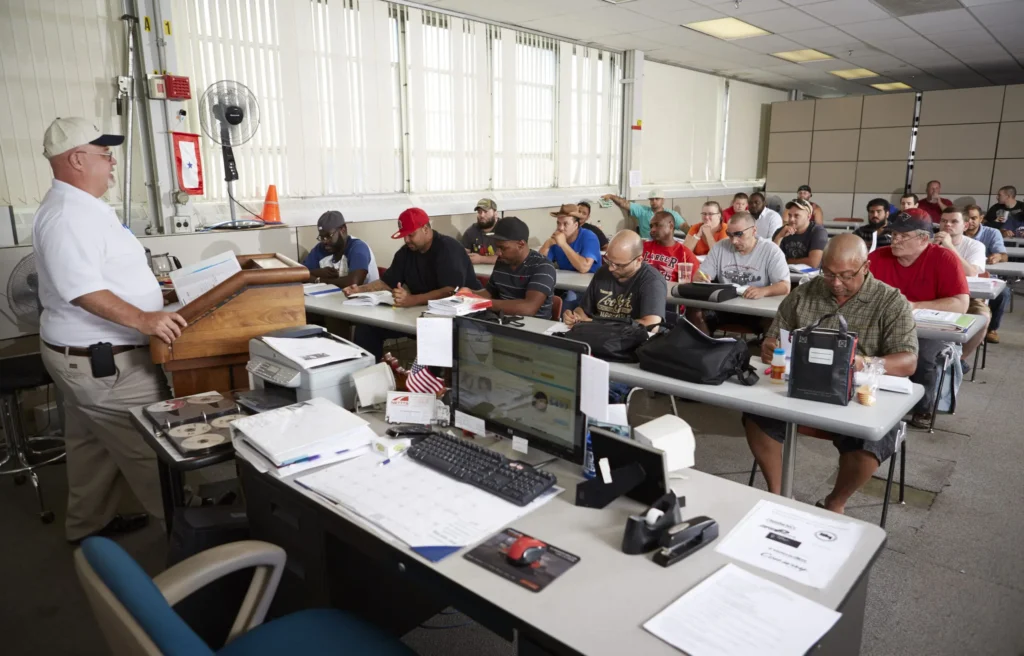
2. You Must Complete Theory (Classroom) Training
ELDT theory lessons cover the basics every truck driver should know, such as:
- Basic vehicle controls
- Cargo handling
- Hours-of-service rules
- Driving in hazardous conditions
- Roadside inspections
- Safe operating procedures
Students must score at least 80% on the theory assessment to pass.
The FMCSA maintains an FAQ that helps provide additional information on the Theory requirements.
3. You Must Complete Behind-the-Wheel Training
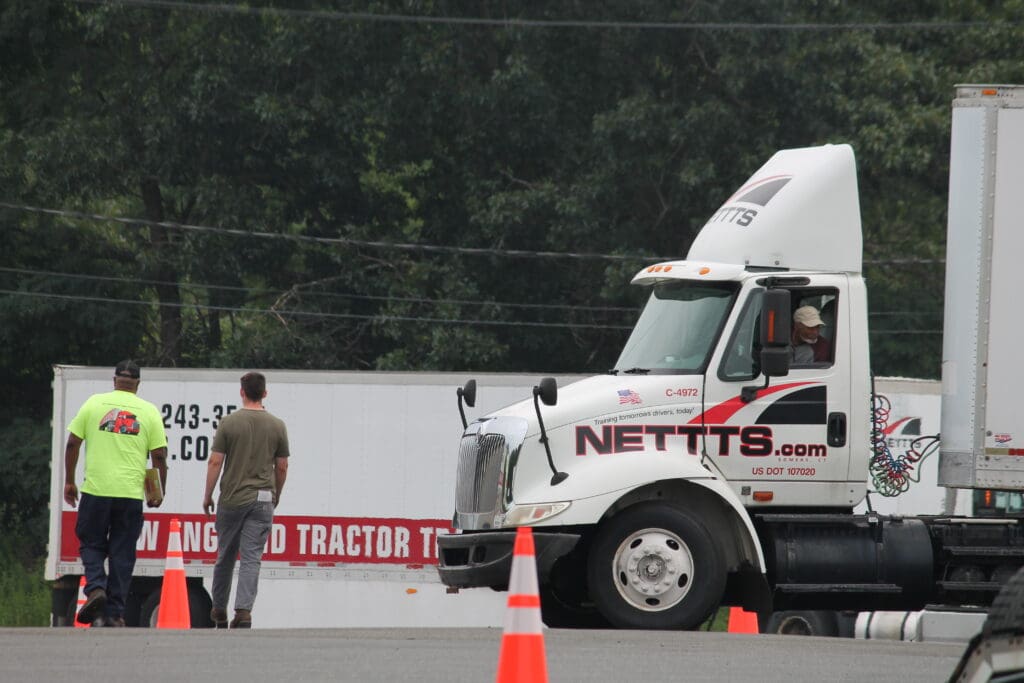
Behind-the-wheel training includes:
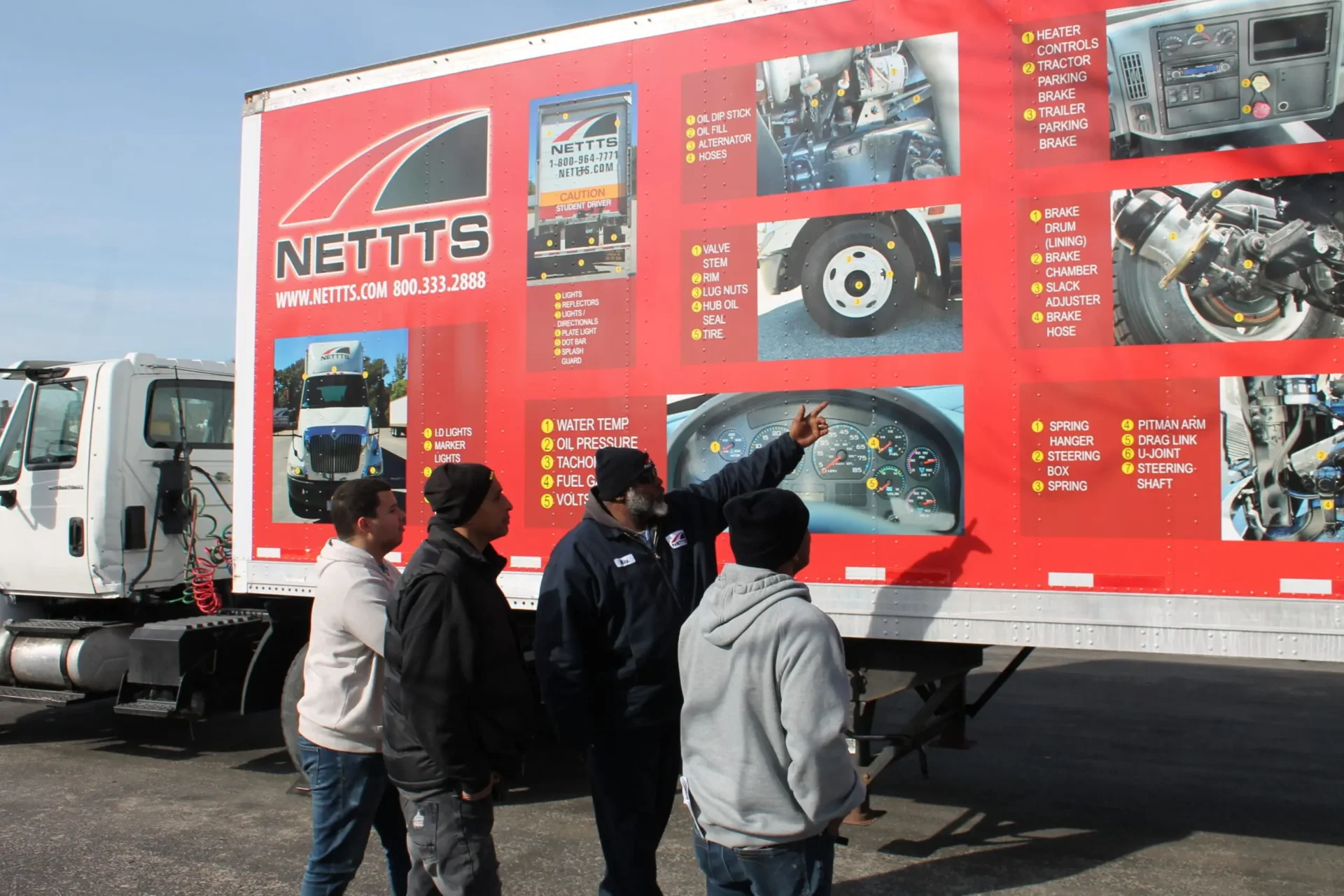
- Range training (backing, shifting, coupling, and uncoupling)
- Public road driving
- Real-world driving maneuvers and decision-making
FMCSA does not set a minimum number of hours, but they require trainers to document every skill you’ve practiced and confirm you’re proficient before you take your CDL skills test.
Details on behind-the-wheel requirements.
4. Your Training Must Be Submitted to FMCSA Before You Test
You cannot schedule your CDL skills test until your training school uploads your completed ELDT results into the FMCSA Training Provider Registry.
What ELDT Means For New Truck Drivers
ELDT may sound complicated but it can help new drivers in several ways:
Start Your Career With More Confidence
You’ll become more familiar with how to handle tough driving situations before experiencing them out on the road.
Have A Better Understanding of Safety
Safety rules like hours-of-service, logbooks, inspections, and defensive driving aren’t just tests, they’re tools to help protect truck drivers on the job.
Learn Skills That Help You Grow
Because ELDT assesses driver performance based on skill, rather than the number of hours trained, drivers may develop the skills for certain dedicated driving roles such as:
- Driving specialized freight
- Becoming a trainer
- Hauling hazardous materials
- Moving into dispatch or safety compliance
How CDL Training Schools Help You Meet ELDT Requirements
Here’s how programs like those at NETTTS support new drivers:
1. They Are Registered With FMCSA
Using a TPR-approved school means your training has been approved to meet today’s truck driver training standards.
2. They Teach the Entire FMCSA Theory Curriculum
You’ll be taught everything required for the written permit test and beyond, including:
- Safety procedures
- Air brakes
- Combination vehicles
- Vehicle maintenance
- Handling emergencies
3. They Provide Hands-On, Real-World Driving Time
From backing skills to highway driving, you’ll build the experience needed to confidently take your CDL test and feel comfortable when starting your first trucking job.
4. They Upload Your Results to FMCSA
When you finish training, the school submits your ELDT results directly to the Training Provider Registry so you can schedule your skills test.
5. They Help You Prepare for Endorsements
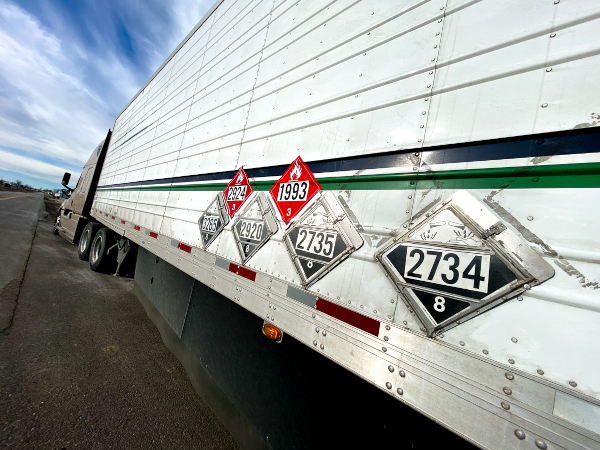
If you plan to get a HazMat endorsement, for example, ELDT includes a mandatory online theory course.
Does ELDT Make It Harder to Become a Truck Driver?
ELDT adds structure and consistency to truck driver training. What it does do is ensure:
- You train with qualified instructors
- You study all required safety topics
- You get time behind the wheel
- You’re prepared for CDL testing
- You start your career equipped with important driving skills
Most students are able to complete training and move into their careers on the same timeline as before ELDT became federal law.
ELDT and New Drivers
ELDT is here to make sure new truck drivers get the right training from the start. While the rules may feel strict at first, they’re designed to help you become a safer, more confident driver and make it easier for employers to trust your skills.
If you’re looking to begin CDL training, choosing a school that meets FMCSA standards is your first step in starting your trucking career.